Quelle sont nos domaines d'intervention
WP DRC concentre ses efforts sur quatre domaines clés, essentiels à l’épanouissement des femmes et des jeunes filles
Autonomisation financière de la femme
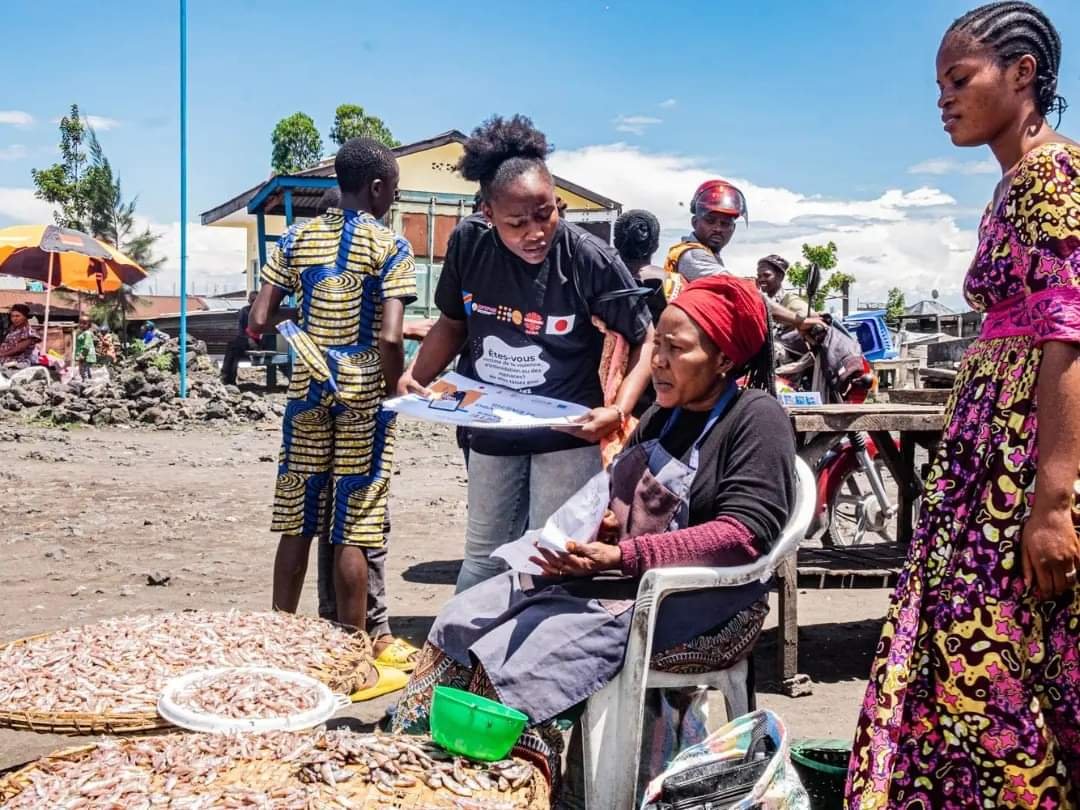
L’investissement dans l’autonomisation économique des femmes & jeunes filles est la voie la plus sûre vers l’égalité des sexes, l’éradication de la pauvreté et une croissance économique inclusive. Les femmes & jeunes filles apportent une contribution énorme à l’économie, que ce soit au sein des entreprises, dans les exploitations agricoles, comme entrepreneures ou employées ou par leur travail non rémunéré à la maison, où elles s’occupent de leurs familles.
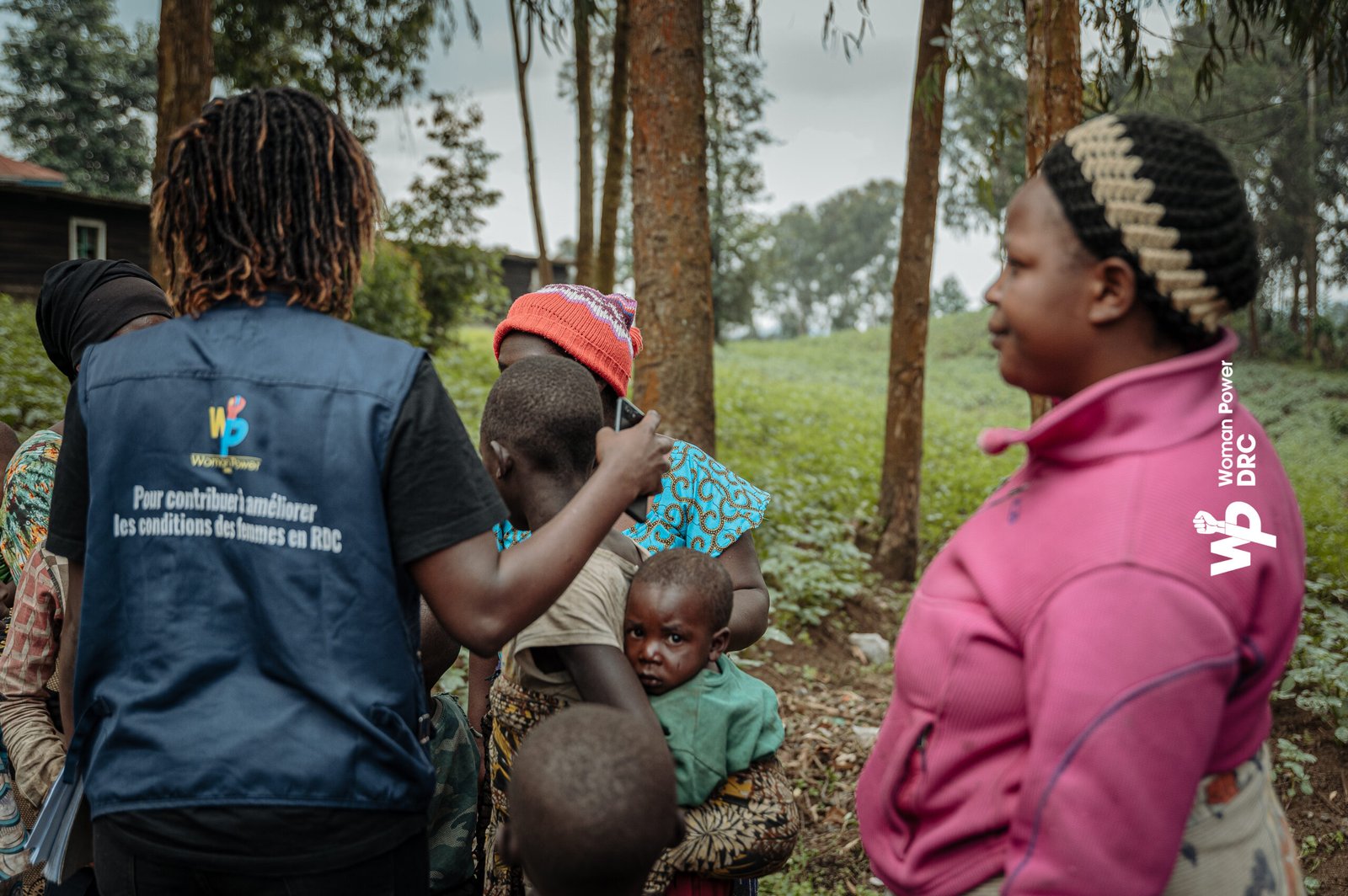
Pour WOMAN POWER DRC, elle continue de militer plus pour l’autonomisation de la femme & jeune fille à travers la mise en place des associations villageoises d’épargnes et de crédit (AVEC) et des activités génératrices des revenues (AGR) pour faire en sorte que les femmes soient pratiquement autonomes et contribuer au développement socio-économique de leurs ménages et communautés.
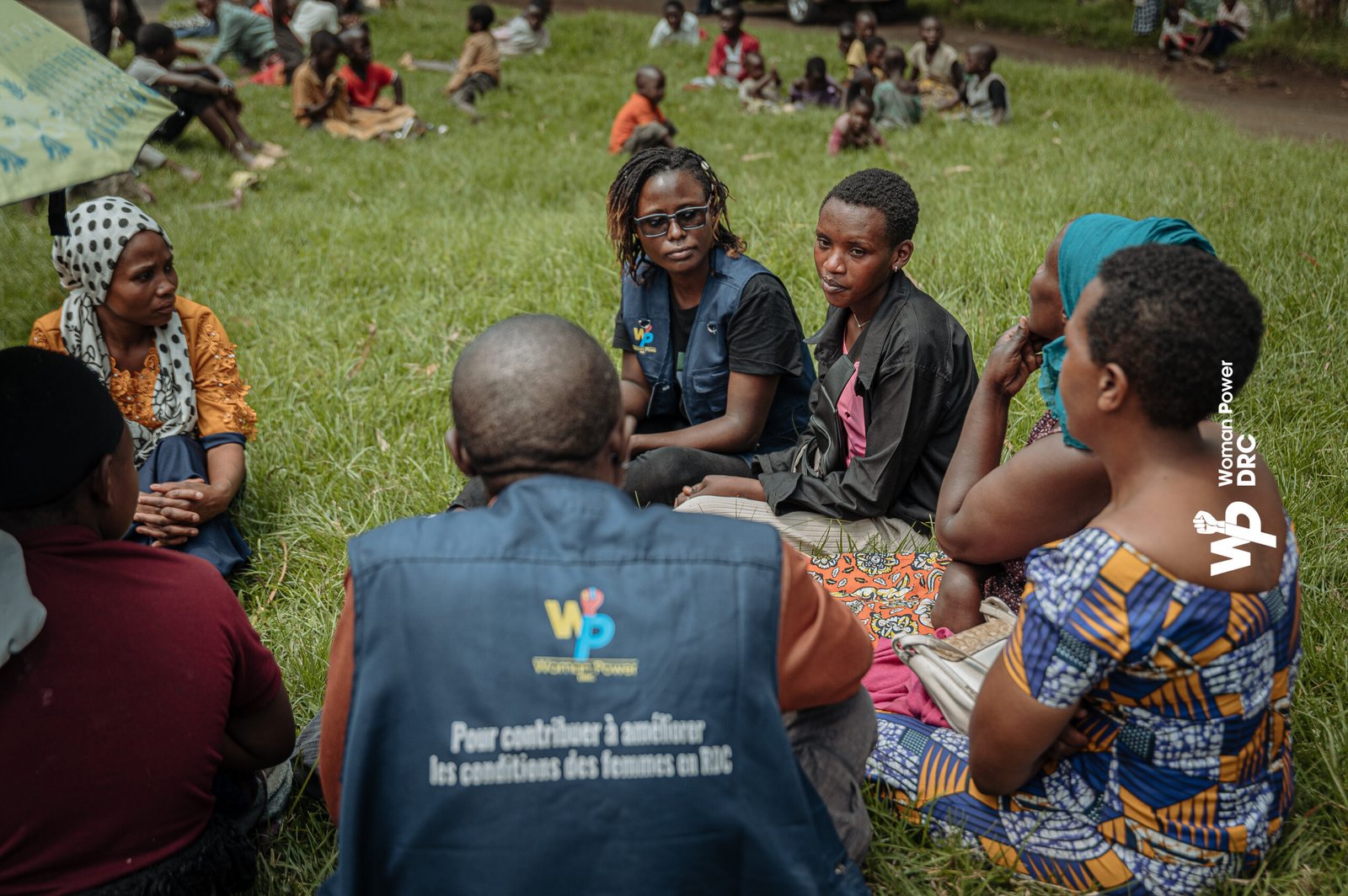
Dans la Ville de Goma et Territoire de Nyiragongo, WP DRC compte actuellement 12 AVEC dont 6 à Goma composées de 30 femmes chacune, pour un total de 360 femmes qui se réunissent hebdomadaire pour se cotiser des parts (3000FC) et s’assister mutuellement. Au sein de ces structures, la cohésion sociale et la cohabitation pacifique ont trouvé sa place d’autant plus qu’elles se partagent des joies et peines.
Participation politique de la femme & jeune
La question de la participation politique de la femme & jeune fille a longtemps fait l’objet d’une attention particulière tant au niveau international que national. Notons que déja vers les années 1979 avec la Convention pour l’Elimination des Discriminations à l’égard des femmes (CEDEF) des mesures ont été prises pour éliminer toute forme de discrimination à l’égard de la femme, avant que les années 1995 le Programme d’Action de Beijing mettent en place des objectifs stratégiques sur la participation politique des femmes.
En RDC et plus particulièrement dans la Province du Nord-Kivu, certaines femmes congolaises émergent dans plusieurs secteurs de la vie publique; malgré leurs compétences, elles sont souvent exposées à une certaine discrimination au sein des institutions de prise de décisions. Que ce soit en politique, dans les entreprises privées ou publiques, ce sont généralement les hommes qui occupent les postes clés pourtant dans le secteur de l’entreprenariat par exemple, certaines femmes ont surmonté leurs capacités de bons gestionnaires et la grande question reste de savoir comment promouvoir le leaderships
féminin et la participation de la femme congolaise à la prise de décision
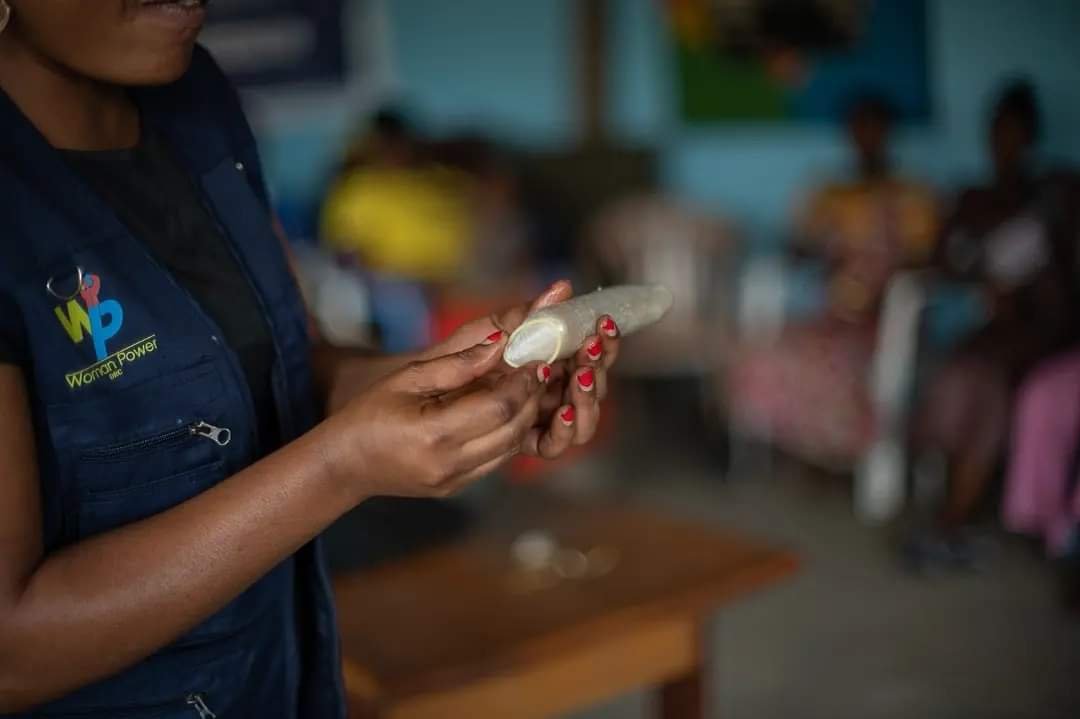
La santé sexuelle et reproductive.
C’est depuis plus de deux décennies que la RDC et plus particulièrement dans la Province du Nord-Kivu connait des conflits armés, dont les plus récents sont les violents affrontements entre les forces armées congolaises (FARDC) et le M23. Ces guerres ont causé plusieurs déplacements de la population engendrant plusieurs violations des droits humains avec des perturbations des normes sociales et familiales qui altèrent profondément les comportements sexuels.
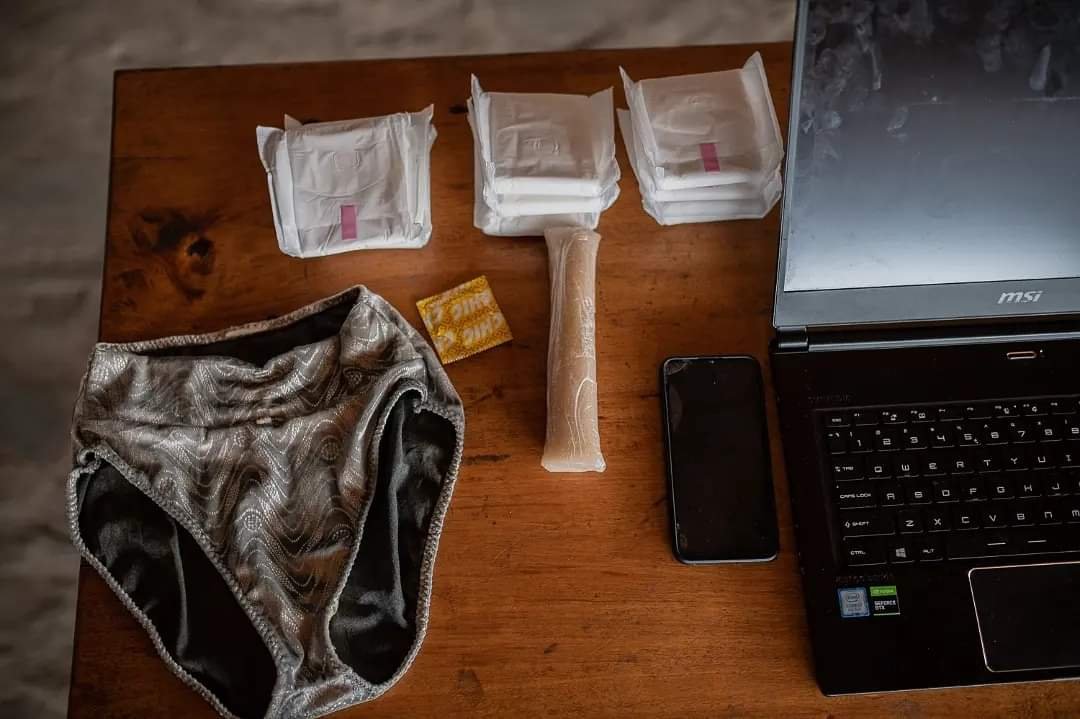
Les femmes et jeunes filles sont notamment confrontées à une précarité accrue et souvent contraintes de faire des rapports sexuels non protégés pour subvenir à leurs besoins avec autant des conséquences comme des maladies sexuellement transmissibles, VIH/ Sida, grossesses non désirées, etc.
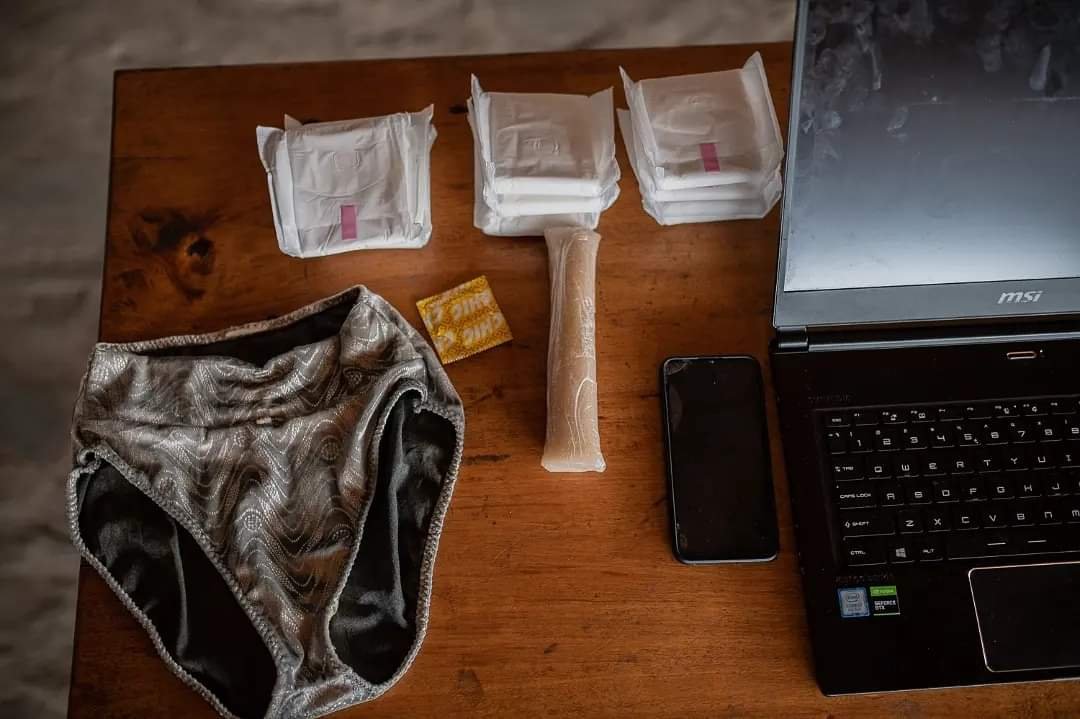
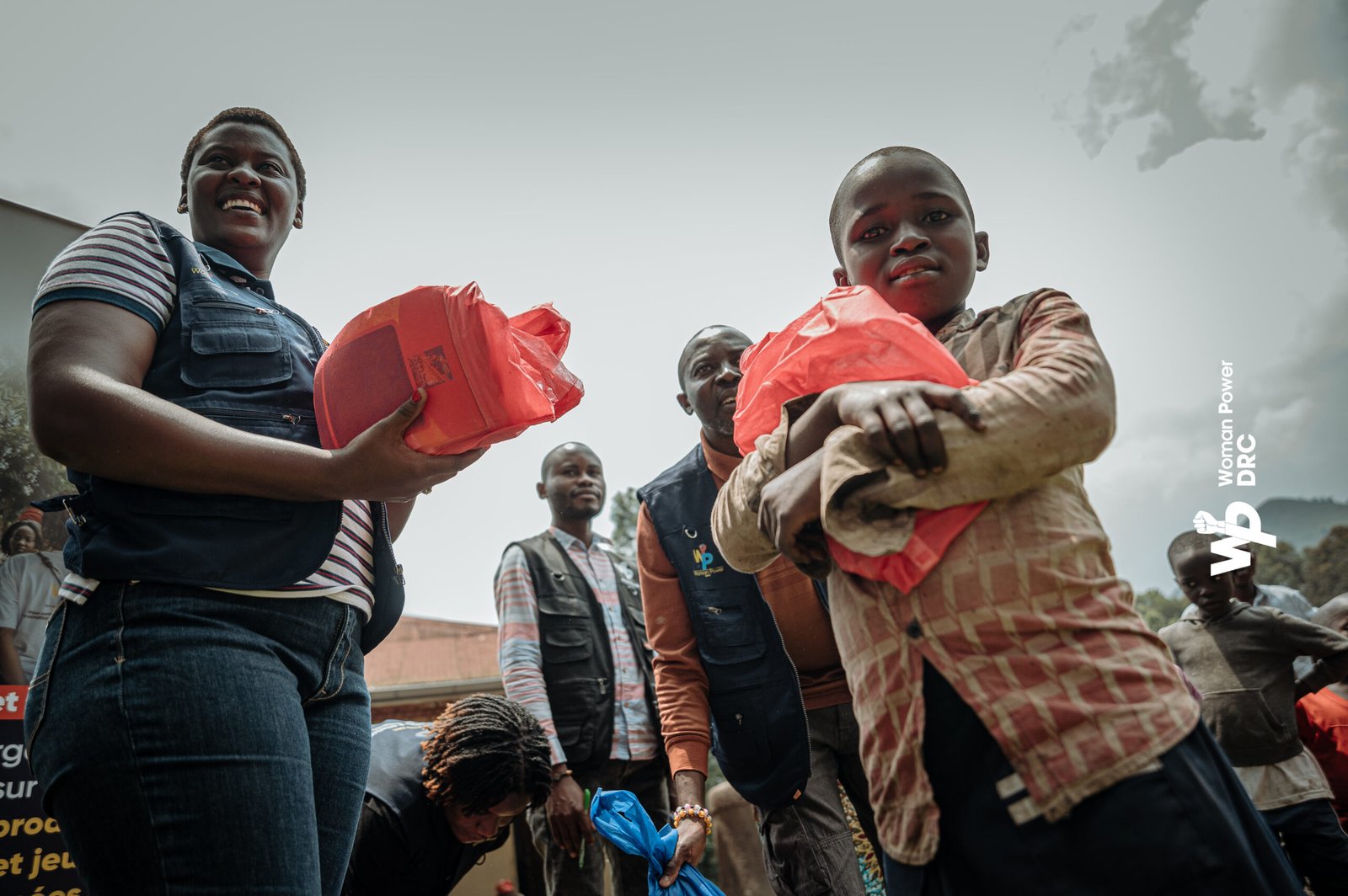
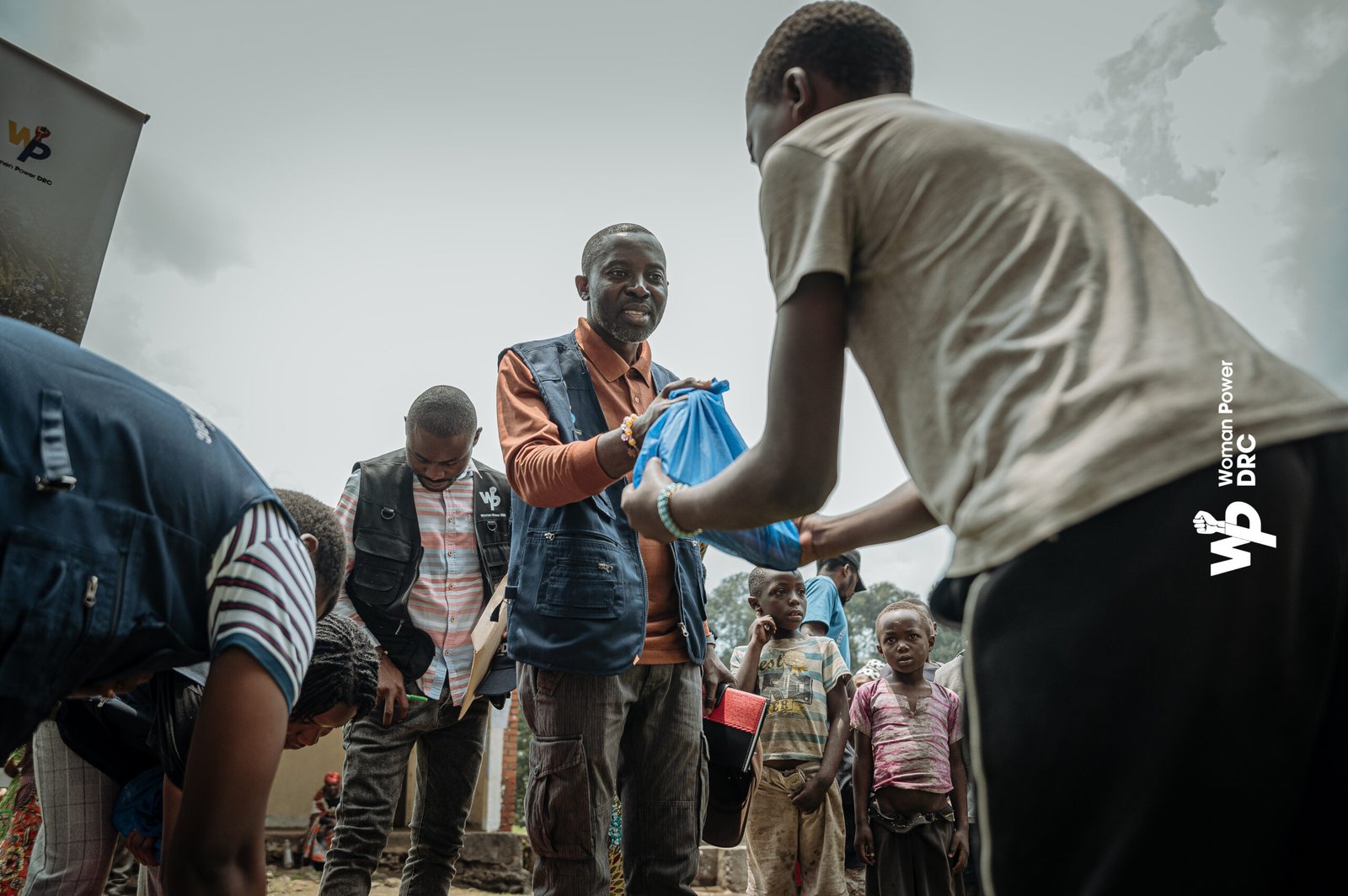
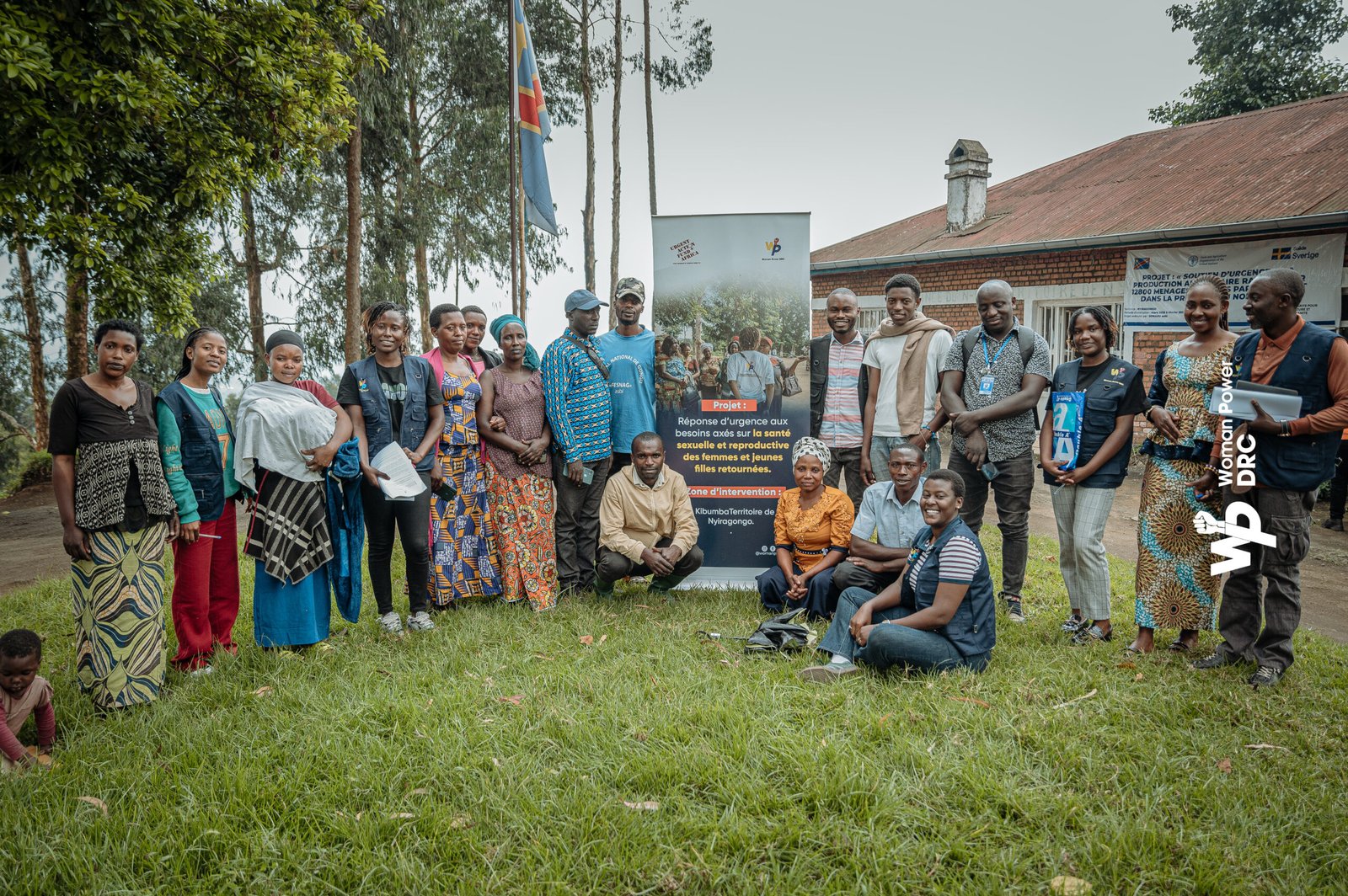
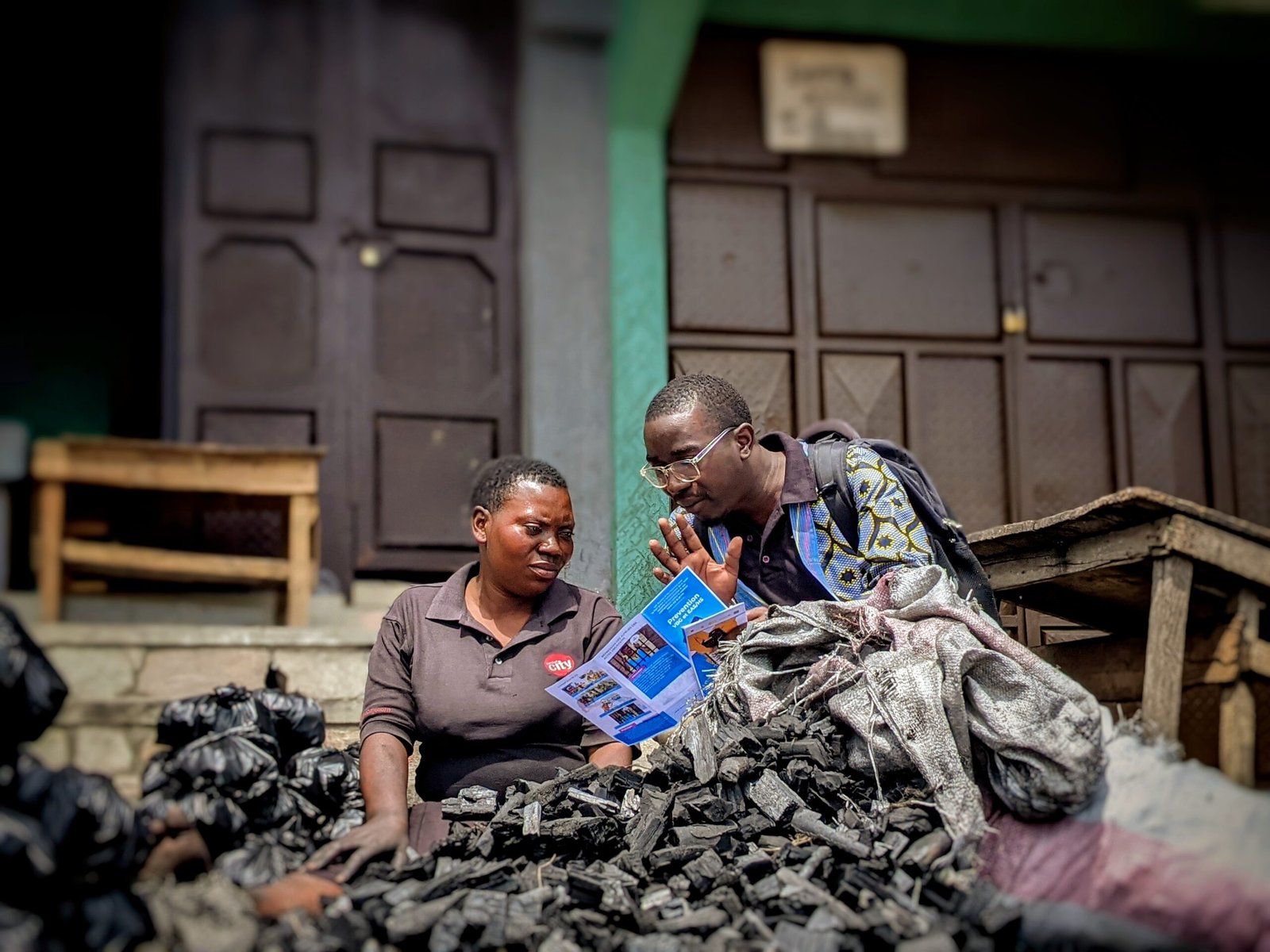
WP DRC, une organisation de la défense et promotion des droits de la femme et jeune fille en RDC mène plus des sensibilisations communautaires dans le cadre de la promotion de la santé sexuelle et reproductive au sein des différentes communautés en vue d’essayer d’informer plus les membres de la communauté de l’importance de la santé sexuelle & reproductive, faire en sorte que les communautés contournent les différentes barrières auxquelles elles font face pour la santé
Violence basée sur le genre
La situation dans l’est de la République démocratique du Congo (RDC) est très préoccupante, en particulier pour les femmes et les filles qui sont touchées de manière disproportionnée par le conflit armé en cours. Ces conflits ont et continuent d’engendrer plus des violations des droits humains et des violence sexuelles et celles basées sur le genre dont la plupart des femmes & jeunes filles sont de plus en plus victimes.
Au-delà de ça, on note également des discriminations & coutumes rétrogrades qui continuent de ternir l’image de la femme et jeune fille dans certaines communautés.
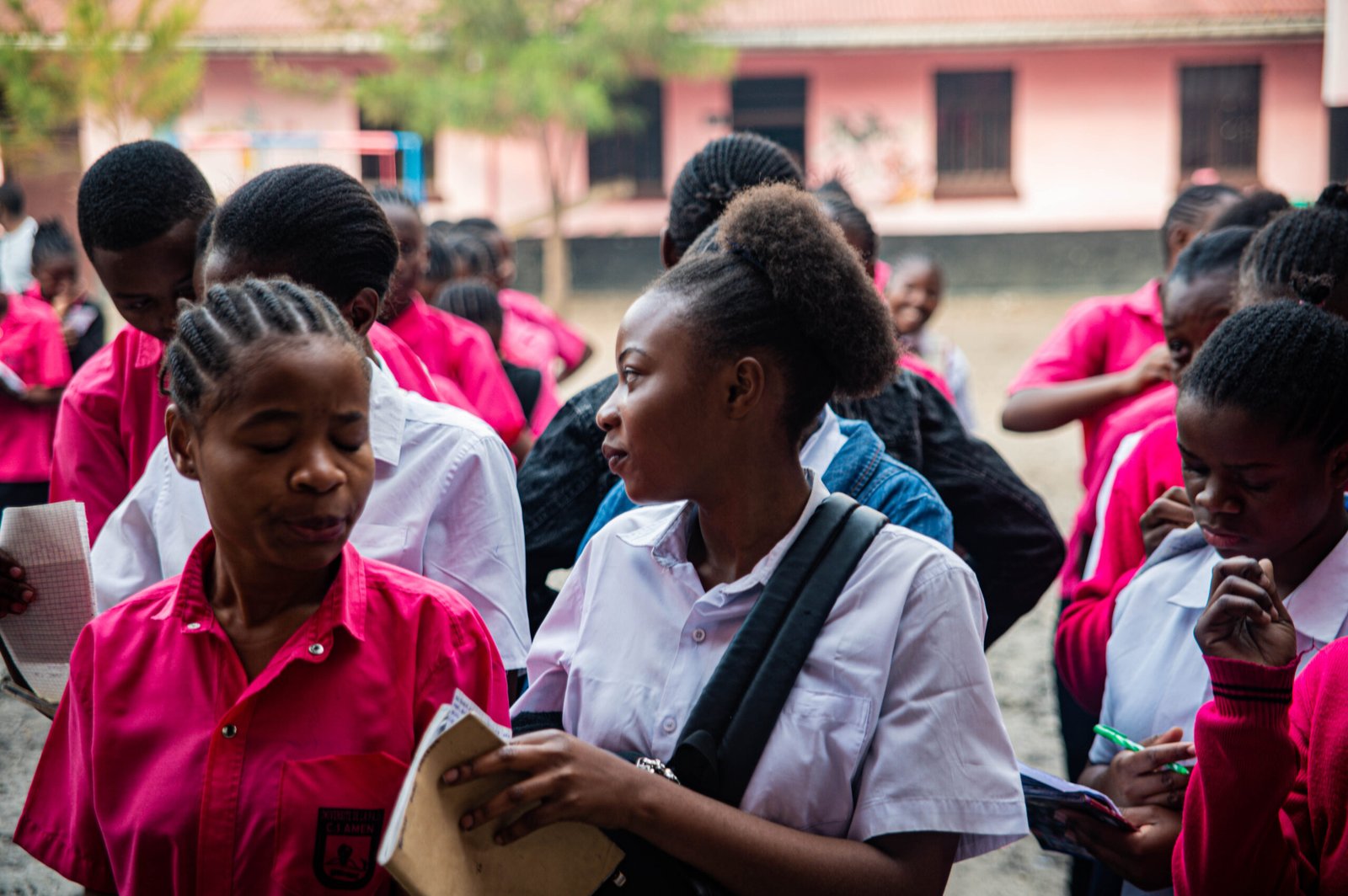
En vue de faire face à tous ces défis, WP DRC mènent des sensibilisations communautaires sur les VSBG, la prévention des abus et exploitation sexuelle en capitalisant l’approche de Ja masculinité positive, la tenue des émissions radios, sensibilisations en ligne, etc. Au-delà de ces actions, WP DRC a défini autant d’autres stratégies pour s’attaquer aux violences sexuelles et celles basées sur le genre en mettant en place des clubs des jeunes écoliers de lutte contre les VSBG (CJE) au sein de 3 écoles secondaires, 6 clubs d’hommes engagés pour la masculinité positive dans la communautés
Les femmes d’abord
Aider à soutenir les femmes et filles marginalisées et bâtissons ensemble un avenir équitable
Plus des voies d’action sont découvertes, plus la femme se libère de son complexe ancien et libère son esprit de sa culpabilité et a désormais droit à son autonomisation et à sa liberté d’expression.