
Aurélie Maliro
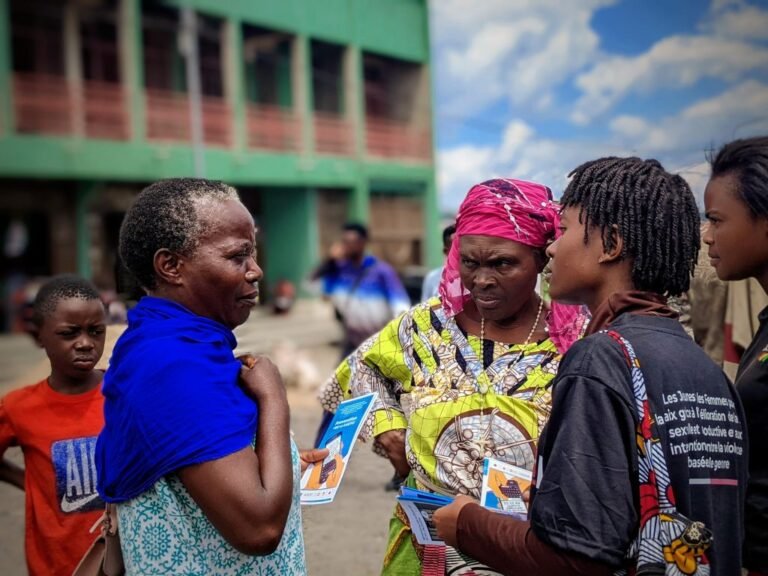
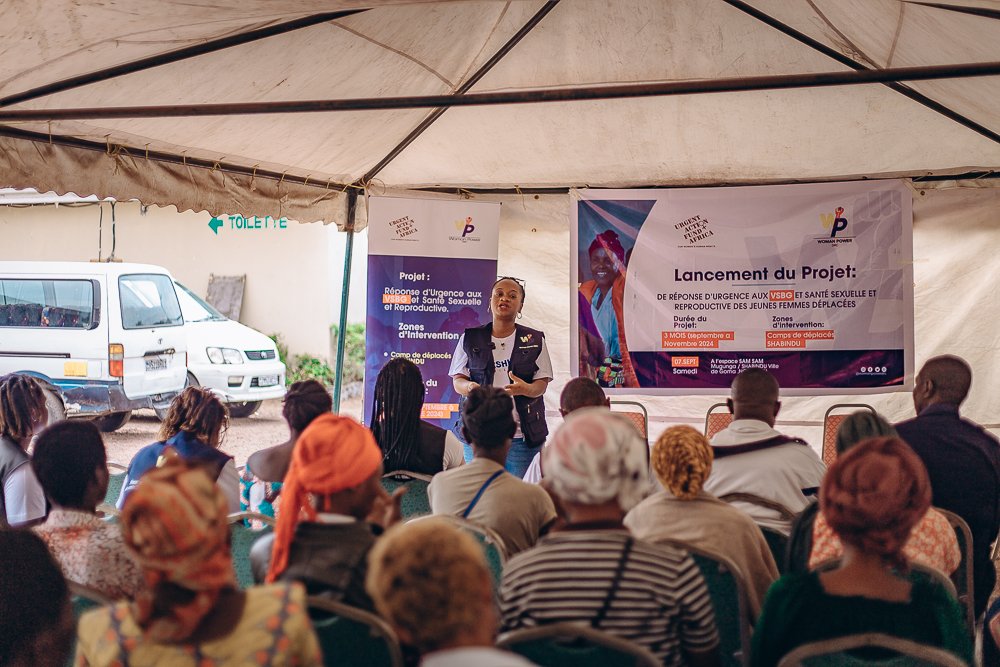
Ce projet, initié en faveur des femmes et jeunes filles déplacées du camp de Shabindu, vise à recueillir les témoignages des bénéficiaires pour mener un plaidoyer en faveur de la prise en charge de leurs besoins dans ce domaine. Plus de 50 femmes ont accepté de partager leurs histoires.
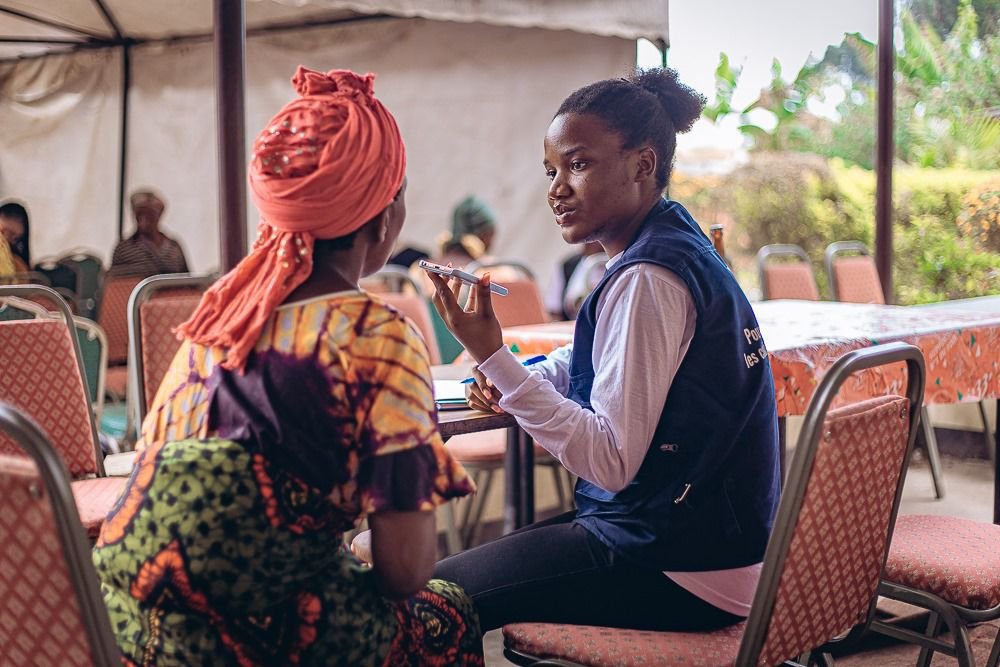
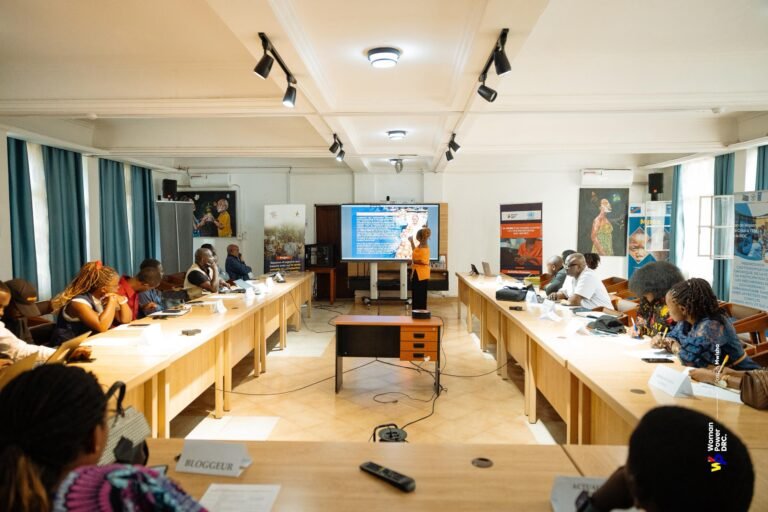
La séance a également été l’occasion pour les organisateurs de sensibiliser sur le Protocole de Maputo, en mettant particulièrement l’accent sur l’article 14 alinéa c, qui autorise l’avortement médicalisé en cas de viol, d’inceste, ou lorsque la grossesse met en danger la santé mentale etphysique de la mère.
« La paix commence lorsque le corps de la femme cesse d’être un champ de bataille. »
Yves Wiss
La prochaine étape du projet sera la production d’un livre qui retracera les besoins des femmes et jeunes filles dans le domaine de la santé sexuelle et reproductive.
Ce projet d’urgence est un plaidoyer pour demander aux décideurs politiques une prise en charge efficace des besoins des bénéficiaires recueillis.
Depuis plusieurs années, l’Est de la RDC est marqué par de nombreux actes de barbarie, avec les femmes demeurant les principales victimes. Elles assistent impuissantes aux meurtres perpétrés et sont souvent victimes directes de viols, souligne Sylvie Mazambi, coordinatrice de Women Power DRC.
L’article 14 du Protocole de Maputo, dont la RDC est signataire, garantit les droits reproductifs des femmes, en particulier en cas d’agression sexuelle, de viol, d’inceste, et lorsque la grossesse met en danger la santé mentale et physique de la mère ou la vie de la mère ou du fœtus.
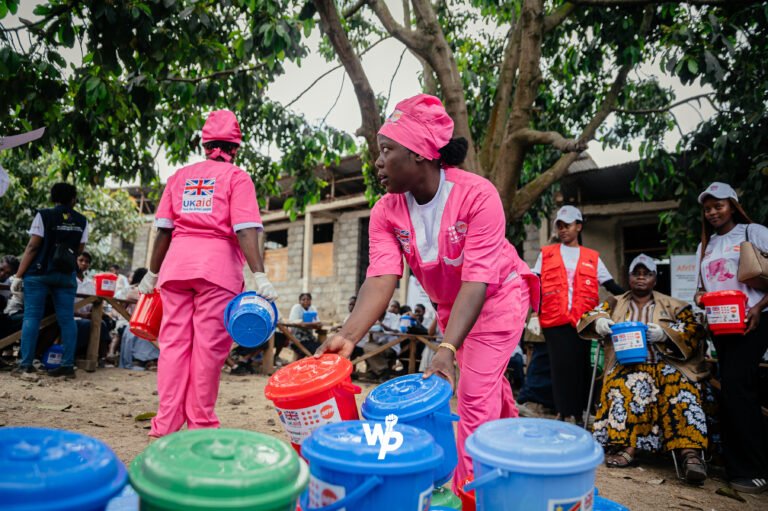
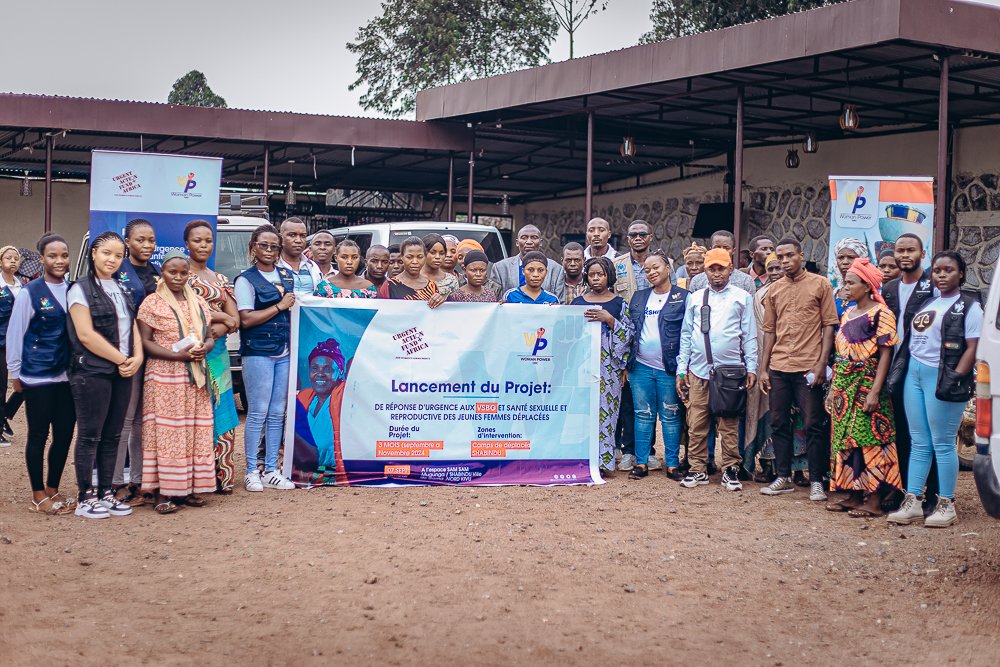
Dans ce contexte, WOMEN POWER DRC a lancé un projet de réponse d’urgence aux violences basées sur le genre (VSBG) et à la santé sexuelle et reproductive à partir du 7 septembre 2024.
Sur le terrain, Safi Senga, une victime de violences sexuelles, s’est confiée à nous : « J’ai été victime de violences sexuelles dans ce camp depuis mai 2024. Suite à ce viol, je suis tombée enceinte de 4 mois. Depuis que je me suis rendue compte que je portais cet enfant, je suis traumatisée. Je n’avais aucune information sur le Protocole de Maputo, qui autorise l’avortement sécurisé en cas de viol. Je vous prie de m’aider à accéder à cette procédure. Je ne peux plus supporter cette situation, je dois avorter. »
Il est important de noter que les études de l’OMS révèlent qu’une grossesse sur quatre se termine par un avortement chaque année. Cependant, les avortements non sécurisés entraînent des coûts élevés pour les femmes, leurs familles et les systèmes de santé. Les experts en santé expliquent que l’amélioration de l’accès à l’avortement sécurisé et aux soins post-avortement peut aider à protéger la santé des femmes.
Convallis aenean et tortor at risus viverra adipiscing at in. Vulputate mi sit amet mauris commodo quis. Nam aliquam sem et tortor consequat id porta nibh. Vitae turpis massa sed elementum. Ipsum faucibus vitae aliquet nec ullamcorper sit amet risus nullam.
Risus quis varius quam quisque. Et netus et malesuada fames ac turpis egestas integer eget. Sit amet risus nullam eget felis eget. Nunc id cursus metus aliquam eleifend mi in nulla posuere. Lectus sit amet est placerat in. Massa tincidunt nunc pulvinar sapien et ligula ullamcorper malesuada proin. Risus viverra adipiscing at in tellus integer feugiat scelerisque varius. Convallis aenean et tortor at risus viverra adipiscing at in. Vulputate mi sit amet mauris commodo quis. Nam aliquam sem et tortor consequat id porta nibh. Vitae turpis massa sed elementum. Ipsum faucibus vitae aliquet nec ullamcorper sit amet risus nullam.